Stories from Interlaken
Long-form writing on the town and the region beyond it — lake swimming, mountain trains, café culture and the practicalities of travel in Switzerland.
More stories

Paragliding over the Hohematte: what a tandem flight is really like

Swiss punctuality is not a myth

The alpine descent in September

The cost of a glacier

The Iseltwald effect

The last steam rack railway

The real cost of a day in Interlaken

The village with no cars

What nobody tells you about the Jungfraujoch

When the Alps invented tourism

Why Lake Brienz is that colour
Good to know about the Interlaken blog
The blog is where Interlaken Trip steps back from strict planning logistics and covers the questions that shape how a trip actually feels, written with the same honest, no-fluff approach as the rest of the site.
It opens with orientation pieces — what to know before visiting Interlaken for the first time, and a direct look at whether Switzerland is really as expensive as its reputation suggests, which stays qualitative rather than inventing precise figures: a backpacker-style trip using hostels and self-catering is achievable but still costs more than most of Europe, mid-range comfort with restaurant meals and the occasional cable car ticket adds up quickly, and there's no real ceiling at the top end.
An Interlaken versus Lucerne comparison helps travellers deciding between two well-known Swiss bases weigh up the practical differences in transport links, day-trip access and character rather than relying on vague impressions. Safety and etiquette get straightforward treatment: a solo travel piece covers what Interlaken and the surrounding regions actually offer, which is a genuinely low crime rate paired with ordinary caution in the mountains, and a Swiss etiquette piece covers habits worth knowing, from the emphasis on punctuality and quiet train carriages to the light-touch approach to tipping and greeting people with a handshake or a nod rather than assuming informality.
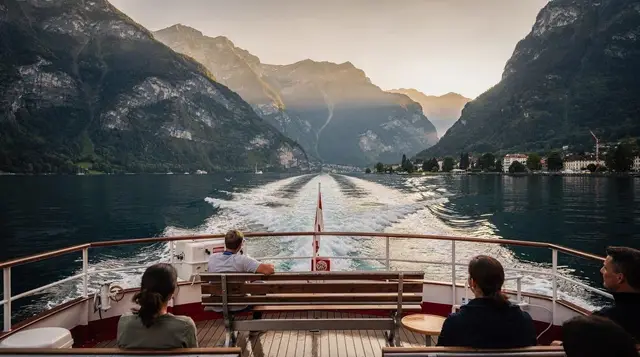
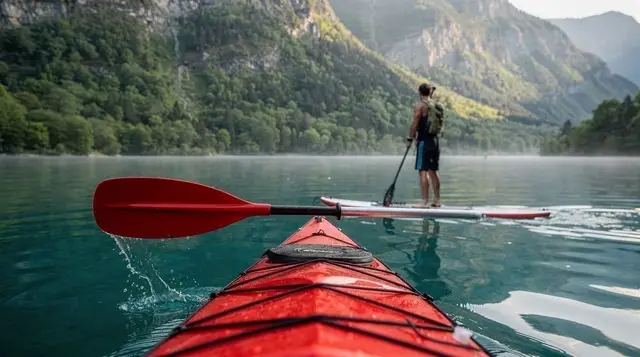
Food and culture pieces make up a solid share of the blog: an Interlaken food guide covering what a realistic meal costs alongside the region's cheese and chocolate traditions, a piece on Swiss train travel and why the network's reputation for punctuality is largely earned, and a lake-days guide covering swimming spots and paddle-steamer trips on Lake Thun and Lake Brienz through the summer months.
A best-time-to-visit piece pulls together the seasonal picture in one place: May to September as the strongest window for lakes and outdoor activity, the ski season running roughly December to April across the Jungfrau and Kandertal ski areas, and the spring and autumn maintenance windows that briefly close some mountain lifts in between. None of the blog content replaces the destination or guide pages — it's meant to be read for context and reassurance before or during a trip, answering the softer questions a strict itinerary or logistics guide doesn't cover.
Frequently asked questions about the Interlaken blog
Is Switzerland as expensive as people say?
Yes, broadly — it's genuinely one of the more expensive countries in Europe, though the exact cost depends heavily on travel style. A backpacker approach using hostels and self-catering keeps costs down but still runs higher than most of Europe, while restaurant meals and cable car tickets add up quickly for a mid-range trip.
Should I visit Interlaken or Lucerne first?
It depends on your priorities: Interlaken sits closer to the Jungfraujoch, Lauterbrunnen and the high Bernese Oberland, while Lucerne has better rail links to Zurich, Bern and central Switzerland's cities. The blog's Interlaken versus Lucerne piece compares transport links and day-trip access directly rather than declaring one better overall.
Is Switzerland safe for solo travellers?
Yes — Switzerland has a consistently low crime rate, and ordinary caution covers most situations, including in Interlaken at night and on mountain trails. The blog's solo travel piece goes into more detail on specific areas and late-night transport.
Are Swiss trains really as punctual as their reputation suggests?
Largely yes — Swiss Federal Railways run one of the most reliable networks in Europe, which is part of why short-layover connections between trains, and even between a train and a cable car, are treated as normal here rather than risky.
When is the best time to visit Interlaken and this region according to the blog?
May to September is the strongest window for lakes, outdoor activity and mountain trips, while ski season runs roughly December to April in the Jungfrau and Kandertal areas. Spring and autumn each bring brief maintenance closures on some mountain lifts, worth checking before building a trip around a specific summit.
Lake cruises & boat tours on GetYourGuide
Verified deep-linked GetYourGuide tours. Book through these links and we earn a small commission at no cost to you.
GetYourGuide does not provide a product photo for this activity — the image shows the meeting point, photographed by us.